Our busiest callout period — what happens to the team in summer
14 June 2026
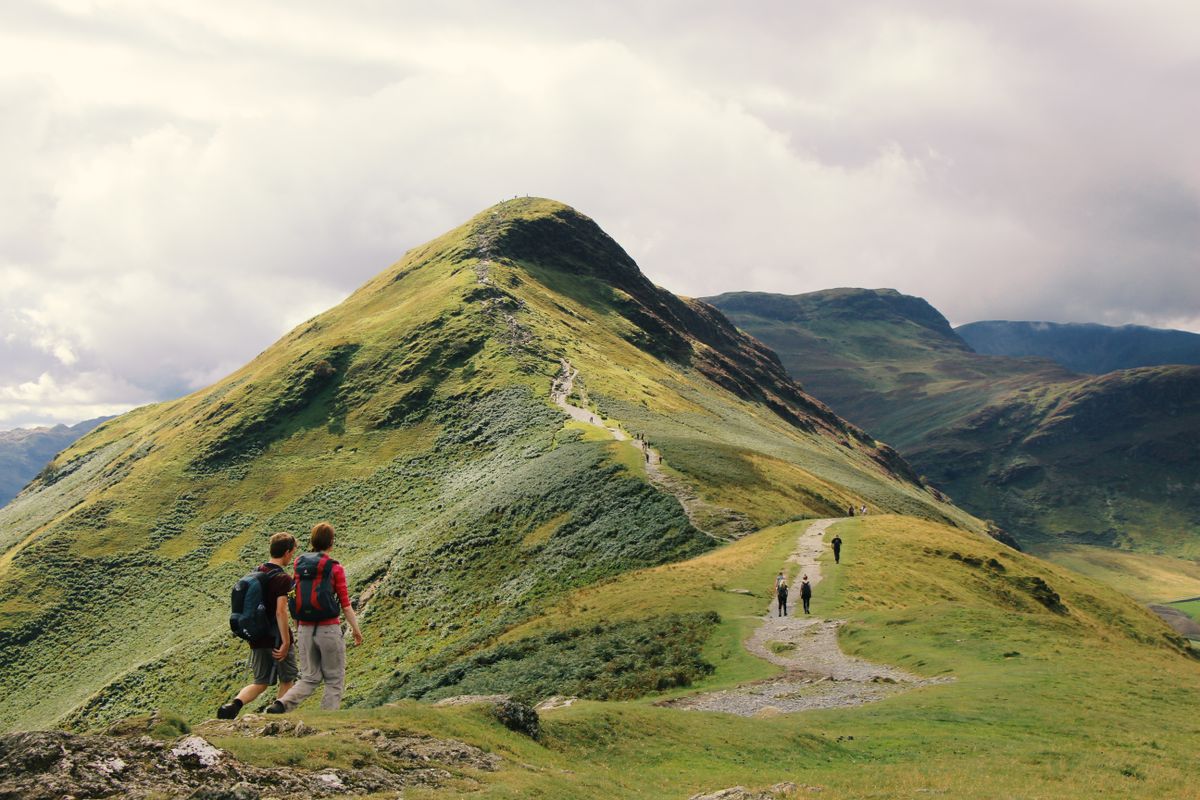
Between June and September we typically take well over half of the year's ninety-odd callouts. Warm evenings, long daylight and busy paths bring more people onto the fells — and a steady share of them into trouble.
What summer callouts look like
The winter picture people imagine — blizzards, ice axes, benighted climbers — is actually the rare end of our work. Summer is lower ankles and higher numbers: slips on descent (far more injuries happen going down than up), walkers caught out when a clear morning turns to clag on the tops, dehydration and heat exhaustion on the big popular routes, and overdue parties who simply underestimated the day.
The evening callout is the classic. Someone sets off after lunch for a "quick" horseshoe, the light starts to go at nine, and by ten we are getting a grid reference from a mobile phone battery on 4%.
The maths of a volunteer summer
Forty-two volunteers sounds like plenty until you do the arithmetic. People have jobs, families and holidays of their own — on any given evening perhaps fifteen of us are genuinely available. A big carry-off needs eight to twelve people on the stretcher alone, swapping in pairs every few minutes. Two callouts in one evening, which happens several times each summer, stretches us properly thin. Three is a phone-around to the neighbouring teams.
How we cope
Two things get us through. The first is boring discipline: kit packed and vehicles fuelled before the busy weekend, not during it. The second is the thing no rota can give you — a team where everyone quietly covers for everyone else. The member who has done three carries in a week gets left off the Friday page without asking; the one who has been away steps up without being asked.
If you want to make our summer easier: check the forecast for the tops (not the valley), carry a torch even in July, and start early rather than late. Most of our evening work begins with an afternoon start time.